


Worship is an important part of many people’s lives. It brings peace, positivity, faith and happiness. In homes, temples, churches, gurudwaras and other religious places worship materials are used every day. With the uses of worship materials in daily life it helps people connect with god and make prayer more meaningful.
Worship materials are not only religious items. They also carry emotions, traditions and culture. From incense sticks to diyas , flower to prayer books, every item has its own purpose and importance.
In this blog we will understand the different uses of worship materials in daily life in simple language.
WHAT IS WORSHIP MATERIALS AND THERE USES IN DAILY LIFE ?
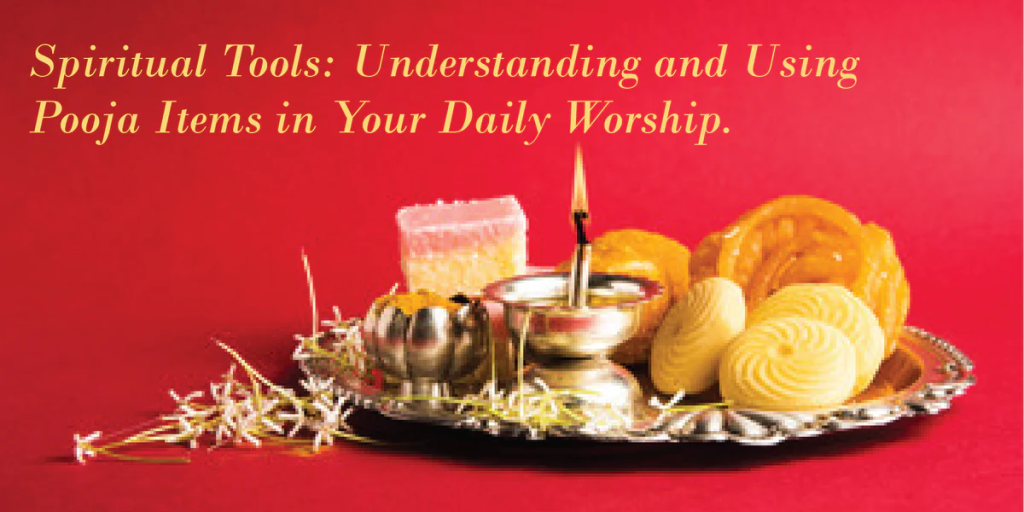
Worship materials means the items used during prayer, meditation, rituals, and religious ceremonies. Different religious use different items, but the purpose is mostly the same- showing devotion and respect toward god.
Some common worship materials are:
- Diyas and candles
- Incense sticks
- Flowers
- Kumkum and roli
- Prayer beads
- Holy books Bells Camphor
- Idols and statues
- Prayer mats
- Coconut and fruits
- Oil lamps
- Puja thali
These items are used in homes and religious places during worship and special festivals.
1. CREATES A SPIRUTUAL ENVIRONMENT
One of the main uses of worship material is creating a peaceful and spiritual atmosphere.
When people light incense sticks or diyas, the environment feels calm and positive. the fragrance of incense and flowers helps remove stress and brings mental peace.
For example:
- Lighting a diya during evening prayer creates warmth and positivity.
- Burning incense sticks makes the home smell fresh and sacred.
- Ringing bells during worship creates focus and energy.
These small actions help people feel closer to God.

2. HELPS IN CONCENTRATION DURING PRAYER
Many people find it difficult to focus during prayer or meditation. Worship materials help improve concentration.
Items like:
- Prayer beads
- Candles
- Holy books
- Meditation mats
help the mind stay calm and focused.
For example, counting prayer beads while chanting helps people avoid distractions. Similarly, looking at a diya flame during meditation relaxes the mind.
This is why worship materials are very useful for spiritual practice.

3. SYMBOL OF FAITH AND DEVOTION
Worship materials are symbols of love and devotion toward God.
Offering flowers, fruits, sweets or lighting lamps shows respect and gratitude. These actions express emotions that words sometimes cannot explain.
For example;
- Flowers represent purity and love.
- Coconut is offered as a sign of surrender and faith.
- Camphor symbolizes removing negativity and ego.
People use these materials because they believe it strengthens their connection with God.

4. IMPORTANT FOR RELIGIOUS RITUALS
Religious rituals are incomplete without worship materials. Every religion has different ceremonies and traditions where special items are needed.
Example include:
- Diya and rangoli during Diwali
- Christmas candles and decorations
- Prayer mats during Islamic prayers
- Holy water in churches
- Karah prasad in gurudwaras
Without these materials, rituals may feel incomplete. They help maintain traditions passes from one generation to another.
5. BRINGS POSITIVITY TO HOME
Many people believe worship materials bring positive energy into the house. Daily prayer with clean and sacred materials creates a peaceful environment for family members.
Some commonly used items for positivity are:
- Incense sticks
- Camphor
- Ghee diyas
- Holy symbols
- Fresh flowers
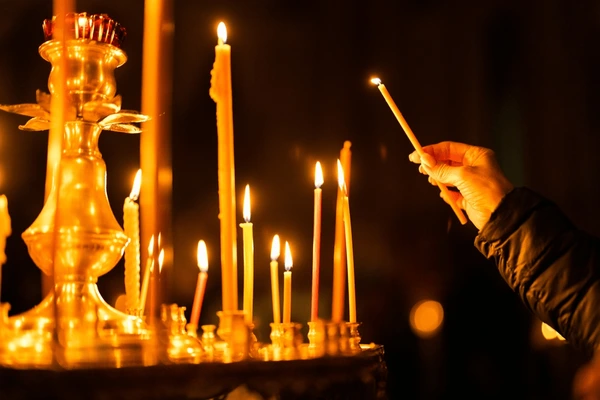
People often light a diya in the morning and evening because they believe it removes negativity and spreads happiness.
A peaceful home also improves relationships and mental health.

6. USED DURING FESTIVALS AND CELEBRATIONS
Festivals become more joyful with worship materials.
During celebrations, people decorate homes and worship places using:
- Flowers
- Diyas
- Candles
- Decorative idols
- Puja thalis
For example:
During Diwali, homes shine with diyas and lights. During Navratri, people use garlands and special puja items. Christmas celebrations include candles, stars, and prayer decorations.
These materials increase the beauty and spiritual feeling of festivals.

7. HELPS TEACH RELIGIOUS VALUES
Worship materials also help children learn about culture and traditions.
When children see parents using prayer items daily, they become curious and learn religious values naturally.
For example, they learn:
- Respect for elders and God
- Importance of prayer
- Meaning of festivals
- Traditional customs
Simple activities like decorating a puja thali or offering flowers help children feel connected to family traditions.

8. STRENGTHENS FAMILY BONDING
Worship often brings family members together.
In many homes, families pray together in the morning or evening. During festivals, everyone helps arrange worship materials and decorations.
These moments create love and togetherness.
Example include:
- Families performing aarti together
- Preparing prasad together
- Decorating temples at home
- Visiting religious places together
Such activities strengthen emotional connections among family members.

9. USED FOR SPECIAL OCCASIONS
Worship materials are important during special life events such as:
- Weddings
- Housewarming ceremonies
- Baby naming ceremonies
- Festivals
- Religious fasts
During rituals require different items like turmeric, rice, flowers, sacred threads, lamps, and sweets.
These materials make ceremonies meaningful and traditional.

10. HELPS MAINTAIN CULTURE IDENTITY
Worship materials help people stay connected to their culture and roots.
Even people living far from their hometown or country continue using traditional prayer items.
For example:
- Indian living abroad celebrate Diwali with diyas and rangoli.
- Families keep home temples with idols and incense.
- Traditional worship practices continue across generations.
This help preserve culture and religious identity.

11. ENCOURAGE DISCIPLINE AND ROUTINE
Daily worship creates discipline in life.
People who pray regularly often follow a fixed routine like:
- Wake up early
- Cleaning the worship area
- Lighting diyas
- Offering prayers
These habits bring positivity and time management into daily life.
Even a few minutes of prayer daily can improve mental balance and self-control.

12. GIVES EMOTIONAL STRENGTH
During difficult times, worship materials provide emotional comfort and hope.
People often pray during stress, sadness, or problems. Lightning a candle or sitting near a prayer space can make people feel peaceful and strong.
Faith gives emotional support and helps people stay positive.
Many people believe prayer gives them courage to face challenges in life.

TIPS FOR CREATING A PEACEFUL POOJA SPACE AND FOR WORSHIP MATERIALS IN DAILY LIFE

A prayer corner does not need to be very expensive or large. Even a small clean space can feel spiritual and peaceful.
Here are simple tips:
KEEP IT CLEAN
Cleanliness is important for positive energy.
USE SOFT LIGHTING
Diyas or warm lights create a calming atmosphere.
ADD FRESH FLOWERS
Flowers brings freshness and beauty.
USE FRAGRANT INCENSE
Agarbatti and dhoop improve the environment.
KEEP NECESSARY ITEMS ORGANIZED
Store pooja materials neatly for daily use.
Kiravari products can help to create a beautiful, clean and organized pooja area which helps to create a better spiritual atmosphere at home.
CONCLUSION
Worship materials are more than simple objects. They carry faith, tradition, positivity and emotions. From creating peace at home to helping people connect with God, these materials play an important role in daily life.
They help during prayer, festivals, meditation, family gatherings, and religious ceremonies. Worship materials also support culture, local businesses and community bonding.
In today’s busy world, even a small prayer with simple uses of worship materials in daily life can bring peace and happiness to the mind and heart.
Whether it is a diya, flower, incense sticks or prayer book every worship item has a special meaning. These sacred materials continue to bring hope, devotion, and positivity into people’s lives every day.
